
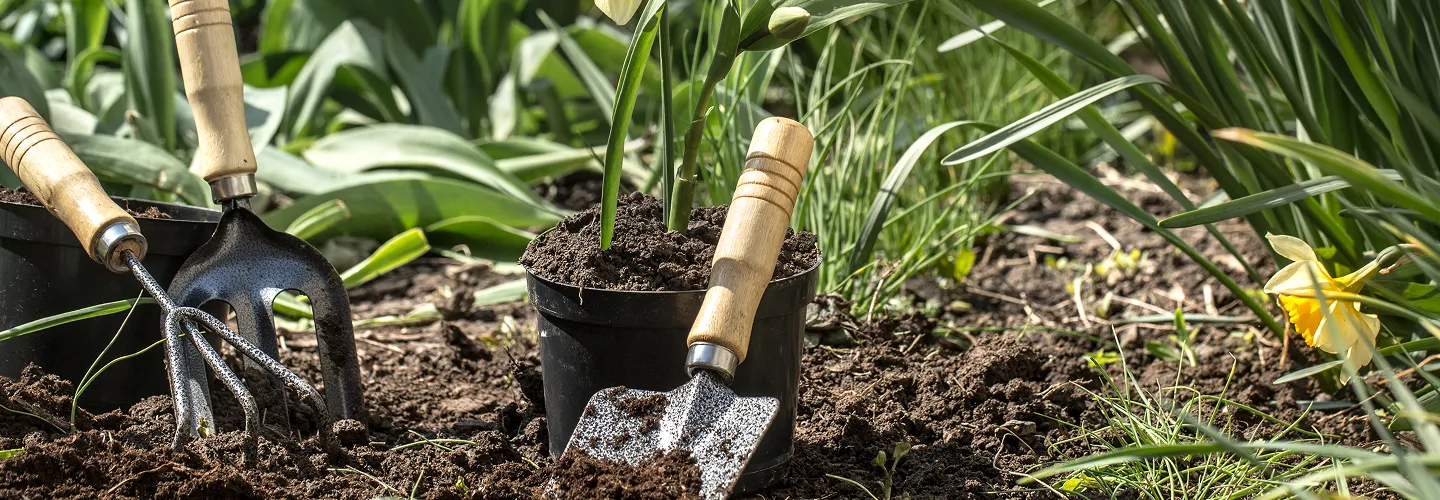
Inverness Weeding Services
Choose our expert weeding services for a healthier, more beautiful garden—our experienced team removes unwanted growth with care, ensuring your outdoor space thrives all season long.
Get a Free QuoteOur Inverness Landscaping & Yard Care Services
When to Schedule Weeding in Inverness, IL – Seasonal Guide
In Inverness, IL, the best times to schedule weeding are closely tied to our unique climate and landscape features. Early spring, just after the last frost, is ideal for tackling weeds before they become established. This is especially important in neighborhoods like McIntosh and Harrow Gate, where mature trees and shaded lots can create microclimates that encourage weed growth. Late summer and early fall are also effective periods for weeding, as many invasive species attempt a final growth spurt before winter.
Local environmental factors such as our clay-rich soils, variable humidity, and the risk of summer droughts all play a role in determining the optimal weeding schedule. Properties near the Inverness Golf Club or along Roselle Road may experience different weed pressures due to varying shade coverage and soil drainage. It's also important to stay informed about municipal guidelines and yard waste collection schedules, which can be found on the Village of Inverness Official Website, to ensure compliance and efficient disposal.
Benefits of Weeding in Inverness
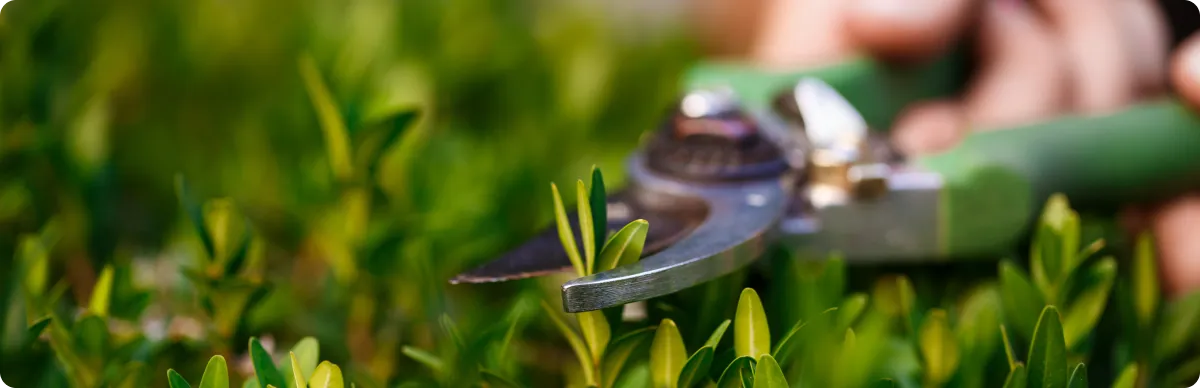
Expert Local Knowledge
Efficient Weed Removal
Eco-Friendly Practices
Consistent Lawn Health
Professional Landscaping Team
Reliable Scheduling
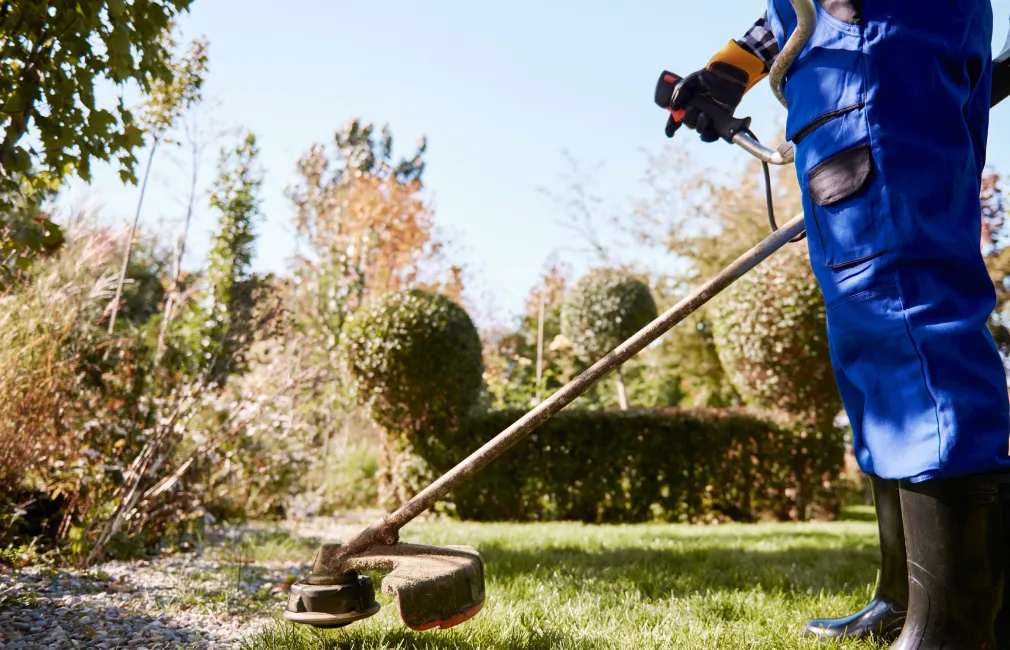
Inverness Weeding Types

Hand Weeding
-
Mechanical Weeding
-
Chemical Weed Control
-
Mulching for Weed Suppression
-
Flame Weeding
-
Hoeing and Cultivation
-
Selective Weed Removal
Our Weeding Process
Site Evaluation
Weed Identification
Targeted Removal
Soil Treatment
Final Inspection
Why Choose Inverness Landscape Services
-
Inverness Homeowners Trust Us
-
Expert Lawn Maintenance
-
Reliable Seasonal Care
-
Competitive Pricing
-
Professional Team
-
Satisfaction Guarantee
-
Personalized Service
Contact Inverness's Department of Public Works for Weed Debris Disposal & Municipal Composting Programs
Proper weed debris management in Inverness is essential for environmental protection and regulatory compliance. The Department of Public Works oversees specialized disposal categories:
- Healthy weeds: Suitable for municipal composting programs
- Invasive species: Such as buckthorn, garlic mustard, and honeysuckle, must be bagged and sent to landfill—never composted
- Diseased plants: Require quarantine and controlled disposal
- Seedy weeds: Must be contained and disposed of before seed set to prevent spread
- Soil clods and rocks: Should be coordinated with composting facilities or transfer sites
Yard waste collection is seasonal, requiring biodegradable paper bags (no plastic) and bundling woody weeds in 4-foot, 50-pound maximum bundles. Composting facilities have specific operating hours, permit requirements, and may charge fees. Finished compost is available for soil improvement and restoration projects, with seasonal distribution schedules. Strictly prohibited is the disposal of weed debris in streets, gutters, or storm drains to prevent MS4 violations and protect water quality.
Inverness Department of Public Works
1400 Baldwin Rd, Inverness, IL 60067
Phone: (847) 358-7740
Official Website: Public Works Department
Professional Weed Identification & Integrated Weed Management Assessment for Inverness's Prairie Till Plains
Effective weed management in Inverness relies on professional botanical expertise, including accurate species identification using taxonomic keys and scientific nomenclature. Common weeds in the area include:
- Annuals: Crabgrass, chickweed, lamb's quarters, purslane, foxtail
- Perennials: Dandelions, plantain, violets, ground ivy, white clover
- Grassy weeds: Quackgrass, goosegrass, nutsedge
- Invasive species: Garlic mustard, buckthorn seedlings, honeysuckle seedlings
Site assessments utilize USDA Web Soil Survey data to evaluate prairie soils with high clay content, moisture, fertility, and sun/shade patterns. Collaboration with University of Illinois Extension supports diagnostic services. Integrated Weed Management (IWM) thresholds consider economic and aesthetic injury levels, beneficial weed roles (e.g., clover for nitrogen fixation), and optimal timing for control.
Illinois Environmental Protection Agency Requirements for Weed Control & Water Quality Protection
The Illinois Environmental Protection Agency mandates strict water quality protection, including coordination with watershed programs and buffer zone management near streams, rivers, and wetlands. Environmental measures include:
- Groundwater protection near municipal wells
- Surface water protection from chemical runoff
- Pollinator protection through selective timing and species-specific control
- Habitat value assessment to preserve beneficial wildlife areas
- Immediate erosion control and revegetation of bare soil
Compliance with the Illinois Nutrient Loss Reduction Strategy and collaboration with the Illinois Department of Natural Resources are essential for habitat and biodiversity conservation.
Illinois Pesticide Regulations & Professional Licensing Requirements for Chemical Applications
All chemical weed control in Inverness must comply with Illinois Department of Agriculture regulations. Key requirements include:
- Category 3A Turf & Landscape commercial applicator licensing
- Certification exams covering weed biology and IPM
- 10 CEUs per 3-year cycle for continuing education
- Federal EPA registration and restricted use pesticide (RUP) protocols
- Integrated pest management plan documentation
- Minimum $1M general liability insurance, $2M aggregate recommended
- Environmental impairment liability and bonding for municipal work
- Comprehensive record-keeping: application logs, weather, rates, target species, and incident reporting
- Coordination with U.S. Environmental Protection Agency, Region 5
Integrated Weed Management Strategies: Cultural, Manual & Mechanical Controls in Inverness
IWM in Inverness prioritizes manual and mechanical methods before chemical controls:
- Cultural controls: Mowing at 3-4 inches, balanced fertilization, proper irrigation, core aeration, overseeding, mulching (2-4 inches, 6-inch plant clearance)
- Manual controls: Hand-weeding, cultivation, hoeing, flame weeding for gravel paths
- Mechanical controls: String trimming with debris containment, solarization, landscape fabric, mechanical cultivation
- Biological controls: Encouraging beneficial insects, competitive groundcovers, allelopathic species (e.g., tall fescue)
- Chemical controls: Spot treatments only when necessary, using selective, low-impact products, and rotating modes of action to prevent resistance
- Prevention: Deep mulching, early detection, soil health improvement, and proper plant selection
Seasonal Weeding Calendar & Weather Timing for Inverness's Climate Zone 5b
Inverness, located in USDA Hardiness Zone 5b, experiences distinct seasonal patterns. Recommendations include:
- Early Spring (March-April): Pre-emergent control when soil reaches 50-55°F
- Late Spring (May-June): Post-emergent annual control during active growth
- Summer (July-August): Perennial control, spot treatments, increased irrigation
- Fall (September-October): Deep-rooted perennial control as energy moves to roots
Weather coordination is critical: optimal soil moisture for manual removal, 60-85°F for chemical applications, wind under 10 mph, and 24-48 hour rain-free periods. Plant-specific timing avoids seed dispersal and protects pollinators by not weeding flowering dandelions and clover during peak activity. Wildlife protection includes avoiding disturbance during ground-nesting bird seasons (March-August), following National Weather Service Chicago data.
Post-Weeding Site Management & Stormwater Protection in Compliance with Inverness's MS4 Program
MS4 permit requirements under the Clean Water Act and EPA NPDES mandate prevention of weed debris and chemical runoff into storm drains. Best practices include:
- Immediate revegetation of bare areas within 24-48 hours
- Mulching (2-4 inches, 6-inch plant clearance) for erosion control
- Temporary erosion barriers (silt fence, straw wattles)
- Soil improvement with 1-3 inches of compost
- Monitoring for weed resurgence (30-day and seasonal follow-ups)
- Mechanical cleanup of debris from impervious surfaces, proper material staging, and equipment wash water management
Inverness Department of Public Works
1400 Baldwin Rd, Inverness, IL 60067
Phone: (847) 358-7740
Official Website: Public Works Department
Invasive Species Management & Specialized Disposal Requirements Under Illinois Regulations
Inverness faces significant challenges from invasive species, including:
- Garlic Mustard (Alliaria petiolata): Remove in spring before seed set
- Buckthorn (Rhamnus cathartica): Remove roots or follow up with herbicide
- Bush Honeysuckle (Lonicera spp.): Mechanical removal and monitoring
- Japanese Honeysuckle (Lonicera japonica): Persistent management required
- Purple Loosestrife (Lythrum salicaria): Wetland areas, specialized permits needed
Protocols include timing removal to prevent seed dispersal, mechanical techniques (pulling, cutting, digging), and equipment sanitation (70% isopropyl alcohol or 10% bleach). Invasive debris must be bagged in heavy-duty plastic and sent to landfill—never composted. Transportation must prevent seed spread, and follow-up monitoring is required at 6-month and annual intervals, with documentation for municipal tracking.
Tool Sanitation, Worker Safety & Public Health Protection Protocols
Comprehensive tool sanitation is vital to prevent pathogen and invasive species transmission. Disinfect tools between sites and plants using 70% isopropyl alcohol or 10% bleach (1:9 ratio). Equipment should be maintained and inspected daily, with all soil and debris removed before moving between sites. Worker safety protocols include:
- PPE: Safety glasses, Level A4 cut-resistant gloves, steel-toed boots, long sleeves
- First aid certification and emergency response procedures
- Tick awareness and heat stress prevention
- Ergonomic practices: Proper lifting, ergonomic tools, activity rotation, stretching, hydration
Public health is protected by using barriers, timing work to avoid exposure to children and pets, and following emergency procedures for hazardous plant exposure. Coordination with the Inverness Health Department is recommended for public health guidance.
Inverness Health Department
1400 Baldwin Rd, Inverness, IL 60067
Phone: (847) 358-7740
Official Website: Village of Inverness Official Website
What Neighborhoods Do We Serve Throughout Inverness, IL?
Distinct neighborhoods in Inverness present unique weeding challenges:
- Braymore Hills: High clay soils, moderate drainage, proximity to wetlands, HOA landscape standards, limited equipment access
- Inverness on the Ponds: Shaded areas, compacted soils, water quality protection zones, organic treatment preferences
- Shires of Inverness: Mature landscaping, narrow alleys, traffic control needs, permit requirements near parks
- Maison du Comte: Sun-exposed slopes, erosion risks, conservation restrictions, notification requirements
- Ashbury: Variable soil moisture, MS4 compliance, aesthetic expectations, parking restrictions
- The Enclave: High maintenance standards, property value considerations, utility conflicts, monitoring obligations
- Weatherstone: Proximity to streams, rare species habitat, equipment operation limitations, community engagement
Each area requires tailored IWM strategies, regulatory compliance, and coordination with municipal and community standards.
Inverness Municipal Ordinances for Weeding Equipment Operation & Commercial Service Standards
Municipal ordinances regulate equipment operation and commercial service standards:
- Permitted operating hours: 7:00 AM–8:00 PM weekdays, 9:00 AM–6:00 PM weekends
- Noise restrictions and decibel limitations
- Residential area limitations during sensitive hours
- Business license and contractor registration required
- Minimum $1M general liability insurance, workers compensation, environmental impairment coverage
- Bonding for municipal contracts
- Illinois Department of Agriculture pesticide applicator certification verification
- Traffic control and work zone setup, equipment maintenance, public notification, right-of-way permits
- Environmental compliance: Material handling, vehicle maintenance, immediate cleanup, waste documentation, and coordination with Illinois Environmental Protection Agency and local ordinances
Inverness Community Development Department
1415 Baldwin Rd, Inverness, IL 60067
Phone: (847) 358-7960
Official Website: Community Development Department
By following these integrated weed management principles, regulatory requirements, and environmental stewardship practices, Inverness residents and professionals can protect public health, enhance landscape sustainability, and ensure compliance with all local, state, and federal standards.